
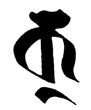
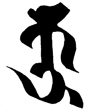
Each consonant is assumed to be combined with the short a vowel. To indicate other vowels modifying 'diacritic' marks are added. In the table below the vowels are combined with k. The set of marks includes the virama which indicates no vowel. This is typically used at the end of words in Sanskrit, for example the word samyak, meaning 'perfect'.
Vowels combined with k
Main consonant-vowel combinations
 |
 |
 |
 |
| k क् virama (no vowel) |
kā का |
ki कि |
kī की |
 |
 |
 |
 |
| ku कु |
kū कू |
kṛ कृ |
kṝ कॄ |
 |
 |
 |
|
| kḷ कॢ |
kḹ कॣ |
ke के |
kai कै |
 |
 |
 |
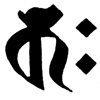 |
| ko को |
kau कौ |
kaṃ कं |
kaḥ कः |
Alternate vowel marks

ū
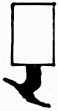
u

u used with ra
The book of the
Visible Mantra Website
now on sale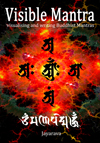

See also how to write double and conjunct consonants
For another letter chart with soft brush style letters see the Modern Siddham website.
Akara : The Quest for Perfect Form is an interesting essay on the forms that letters have taken over time.
Last updated: 19:44 17/10/2008