
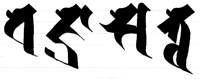
va jra sa ttva
6 Oct 2010
My article The Hundred Syllable Vajrasattva Mantra has been published in the Western Buddhist Review, vol 5.
30 Oct 2009
Jayarava's translation and commentary of the 100 Syllable Vajrasattva Mantra. [now extended in the WBR article]
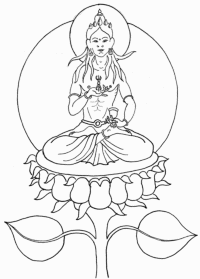
Vajrasattva is pure white in colour and is sometimes known as the Prince of Purity. His name means "Adamantine Being", or more poetically "Embodying Reality". He is a member of the Vajra family of Akṣobhya which also includes Vajrapāṇi.
He is depicted as a young man in the prime of life, with all the silks and jewels of a wealthy prince. In his right hand he delicately balances a vajra at his heart. In his left had he holds a bell at his waist. The vajra represents Reality, and Compassion; while the bell represents Wisdom.
In some mandalas Vajrasattva represents the Ādibuddha or the Primordial Principle of Buddhahood; in others he changes places with Akṣobhya in the East. In Shingon Buddhism it is Vajrasattva that passes on the initiation of the Dharmakāya Buddha Mahāvairocana to Nāgārjuna, thereby creating the Vajrayāna lineage.
In the mūla-yogas the practitioner carries out a set of four pactices 100,000 times. One of these is visualising of Vajrasattva and repeating his 100 syllable mantra 100,000 times which helps to purify the karma of the person intending to go on to the tantra proper. Completing these practices is seen as essential prior to receiving initiations or ordination in some Tibetan lineages.
Seed Syllable
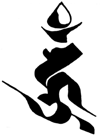 hūṃ Siddhaṃ |
The seed syllable hūṃ is shared by a number of Buddhas and Bodhisattvas, especially those associated with the Vajra family of which Vajrasattva is the epitome. Other members are Vajrapāṇi, and Akṣobhya |  hūṃ Tibetan - Uchen |
Audio Files
Hear the hundred syllable Vajrasattva mantra spoken,
and chanted FWBO style by Jayarava.
| spoken | mp3 |
| chanted | mp3 |
Mantras
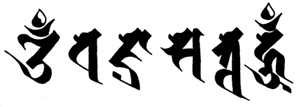
Vajrasattva is associated with the hundred syllable mantra, the chanting of which is used in rituals of purification especially funerals (see below). There is also a short version of the Vajrasattva mantra. We'll start with the short mantra.
The short Vajrasattva mantra
Siddhāṃ
|
Tibetan (Uchen)
|
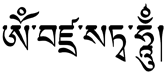
Transliteration
oṃ va jra sa ttva hūṃ
oṃ vajrasattva hūṃ
A strict transliteration of the Tibetan would be: oṃ ba dzra sa tva hūṃ though the Tibetan pronunciation would be oṃ benza satva hūṃ
The 100 syllable Vajrasattva mantra
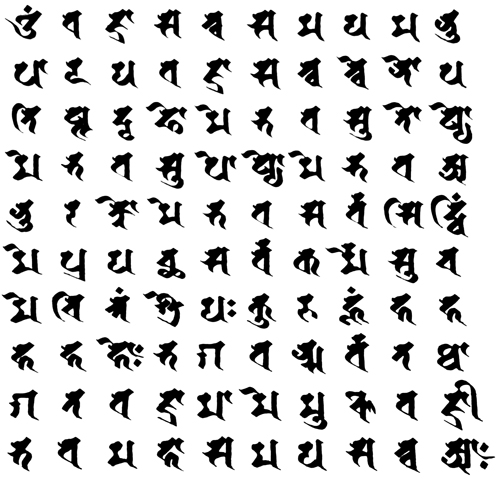
Transliteration
oṃ va jra sa ttva sa ma yam a nu
pā la ya va jra sa ttva tve no pa
ti ṣṭha dṛ ḍho me bha va su to ṣyo
me bha va su po ṣyo me bha va a
nu ra kto me bha va sa rva si ddhiṃ
me pra ya ccha sa rva ka rma su ca
me ci ttaṃ śre yaḥ ku ru hūṃ ha ha
ha ha hoḥ bha ga van sa rva ta thā
ga ta va jra mā me mu ñca va jrī
bha va ma hā sa ma ya sa ttva aḥ
oṃ
vajrasattva samayam anupālaya
vajrasattvatvenopatiṣṭha
dṛḍho me bhava
sutoṣyo me bhava
supoṣyo me bhava
anurakto me bhava
sarva siddhiṃ me prayaccha
sarvakarmasu ca me cittaṃ śreyaḥ kuru
hūṃ
ha ha ha ha hoḥ
bhagavan sarvatathāgatavajra mā me muñca
vajrī bhava mahāsamayasattva
āḥ
Tibetan - Uchen
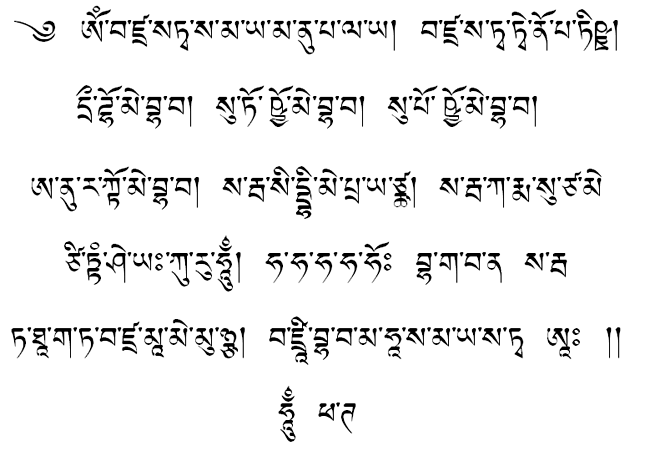
Below is the Vajrasattva mantra in Tibetan Unicode - you might need a special font to see this. I use Tibetan Machine Uni to create the Uchen images, Office 2000 also comes with Microsoft Himalaya.
ཨོཾ་བཛྲ་སཏྭ་ས་མ་ཡ་མ་ནུ་པ་ལ་ཡ། བཛྲ་སཏྭ་ཏྭེ་ནོ་པ་ཏིཥྛ། དྲྀ་ཌྷོ་མེ་བྷ་བ། སུ་ཏོ་ ཥྱོ་མེ་བྷ་བ། སུ་པོ་ ཥྱོ་མེ་བྷ་བ། ཨ་ནུ་ར་ཀྟོ་མེ་བྷ་བ། ས་རྦ་སི་དྡྷི་མེ་པྲ་ཡ་ཙྪ། ས་རྦ་ཀ་རྨ་སུ་ཙ་མེ ཙི་ཏྟཾ༌ཤེ་ཡཿ་ཀུ་རུ་ཧཱུྂ། ཧ་ཧ་ཧ་ཧ་ཧོཿ བྷ་ག་བ་ན ས་རྦ ཏ་ཐཱ་ག་ཏ་བཛྲ་མཱ་མེ་མུ་ཉྩ། བཛྲཱི་བྷ་བ་མ་ཧཱ་ས་མ་ཡ་སཏྭ ཨཱཿ །། ཧཱུྂ ཕ་ཊ
Translation
oṃ
O Vajrasattva honour the agreement!
Reveal yourself as the vajra-being!
Be steadfast for me!
Be very pleased for me!
Be fully nourishing for me!
Be passionate for me!
Grant me all success and attainment!
And in all actions make my mind more lucid!
hūṃ
ha ha ha ha hoḥ
O Blessed One, vajra of all those in that state, don't abandon me!
O being of the great contract be a vajra-bearer!
āḥ
Notes
The Sanskrit version of the 100 Syllable mantra follows the edited text of the Sanskrit produced by Jayarava in his article: The Hundred Syllable Vajrasattva Mantra. Western Buddhist Review, Vol. 5, 2010. The English translation is my own. The basic mantra ends with āḥ. Hūṃ and phaṭ are traditionally added under specific circumstances - hūṃ when the mantra is recited for the benefit of someone dead, and the phaṭ when the mantra is recited to subdue demons. They are not present in the Tibetan example above, however in the WBO/FWBO they are routinely included because this is the form of the mantra that Sangharakkshita received from Dudjom Rinpoche.
The Tibetan pronunciation and orthography have diverged somewhat from the Sanskrit and this is my best effort to reproduce it after consulting various sources. There are variations in how it is presented in different traditions. Apologies if this one is not the one that you are familiar with. Compare my notes on the Canonical Sources for the Vajrasattva Mantra. (29 June 2012)
See also - Examples of the Vajrasattva mantra in Lantsa and Uchen.
Selections on Vajrasattva by Sangharakshita from Free Buddhist Audio.
- - The 100 Syllable Vajrasattva mantra. [pdf]
- - The Four Foundation Yogas of the Tibetan Buddhist Tantra - including the Vajrasattva meditation and mantra chanting practice. [mp3]
- - The Symbolism of the Sacred Thunderbolt or Diamond Sceptre of the Lamas. [mp3]
Wildmind Online Meditation
- Original faces: Reflections on Purification - by Dharmacari Saccanama.
The book of the
Visible Mantra Website
now on sale

For more information about Vajrasattva
Meeting the Buddhas
by
Dharmacari Vessantara
on Amazon US
Or Amazon UK
The Tantric Path of Purification
by Lama Yeshe

For more information on the symbolism of the vajra and bell try
Vajra and the Bell
by
Dharmacari Vessantara
Last updated: 16:45 17/04/2009